
The Month of Sha’baan: A Time of Reflection and Preparation

The Islamic calendar is rich with months of spiritual significance, and Sha’baan is no exception. As the eighth month of the lunar calendar, it precedes the holy month of Ramadan and offers Muslims a unique opportunity to reflect, prepare, and grow spiritually. Often called the “neglected month,” Sha’baan is a time to renew intentions, strengthen faith, and ready oneself for the blessings of Ramadan.
Why Sha’baan is Significant
Sha’baan holds special importance due to the practices of Prophet Muhammad (peace be upon him). Aisha (may Allah be pleased with her) narrated:
“The Messenger of Allah (peace be upon him) used to fast so much in Sha’baan that I thought he would never stop fasting.” (Sunan Ibn Majah)
This narration highlights the Prophet’s devotion during this month, particularly through voluntary fasting. Scholars suggest that this practice helped prepare him for Ramadan’s spiritual and physical demands, making Sha’baan a time for Muslims to follow his example.
The Unique Blessings of Sha’baan
Sha’baan often goes unnoticed because it falls between two major months: the sacred Rajab and the blessed Ramadan. However, its spiritual rewards are immense. In a Hadith, the Prophet (peace be upon him) said:
“That is a month to which people do not pay much attention, between Rajab and Ramadan. It is a month in which deeds are taken up to the Lord of the Worlds, and I like that my deeds be taken up when I am fasting.” (An-Nasa’i)
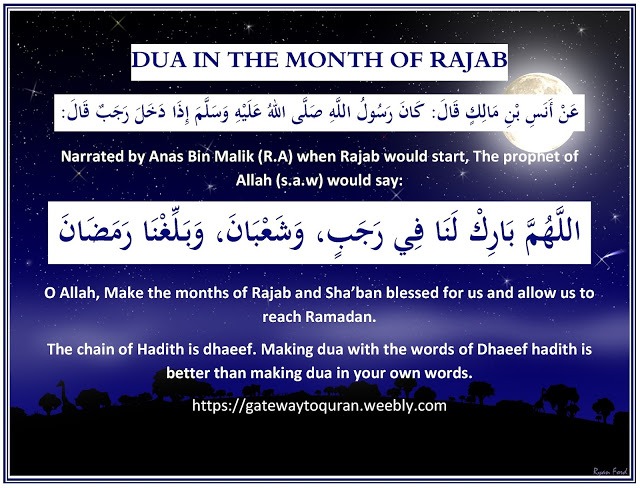
This Hadith highlights the value of using Sha’baan to engage in worship, cleanse the soul, and present good deeds to Allah.
Acts of Worship to Focus on During Sha’baan
Muslims can make the most of this month by dedicating themselves to several key practices:
- Voluntary Fasting Fasting during Sha’baan is highly recommended. It not only brings immense spiritual rewards but also prepares the body and mind for the fasts of Ramadan. However, scholars advise against fasting on the last few days of Sha’baan to ensure readiness for Ramadan.
- Seeking Forgiveness (Istighfar) Sha’baan is a time to repent and seek Allah’s forgiveness. Engaging in Dhikr (remembrance of Allah) and Istighfar cleanses the heart and strengthens one’s connection with the Creator.
- Charity and Kindness Acts of charity, whether monetary donations or kind gestures, carry great blessings in this month. Helping others fosters gratitude and empathy, paving the way for the generous spirit of Ramadan.
- Recitation of the Quran Reconnecting with the Quran during Sha’baan builds a strong foundation for Ramadan. Setting aside time to read, reflect, and memorize verses can create a consistent habit that lasts beyond the month. Learn the Tajweed rules if you don’t know yet. And focus of understanding the holy Quran.
- Night Prayers (Tahajjud) Performing Tahajjud during Sha’baan strengthens faith and allows for intimate supplication. This habit makes it easier to embrace the nightly prayers of Ramadan.
The 15th Night of Sha’baan: Laylat al-Nisf min Sha’baan
One of the most significant nights in Sha’baan is Laylat al-Nisf min Sha’baan, also known as the Night of Bara’ah. Falling on the 15th of the month, this night is believed to be a time of divine mercy and forgiveness. According to a Hadith:
“Allah looks at His creation on the night of the 15th of Sha’baan and forgives all His creation except for a mushrik (one who associates partners with Allah) or a mushahin (one who harbors enmity).” (Ibn Majah)
This Hadith emphasizes the importance of purifying the heart, resolving conflicts, and seeking Allah’s forgiveness on this blessed night.
Preparing for Ramadan During Sha’baan
Sha’baan is an ideal time to prepare for Ramadan, both spiritually and practically. Here are some tips to help you get ready:
- Set Clear Goals Identify your objectives for Ramadan, whether it’s completing the Quran, enhancing prayer consistency, or increasing acts of charity. Having clear goals helps you stay focused.
- Establish a Routine Start implementing a Ramadan-like schedule during Sha’baan, including waking up for Suhoor, fasting, and performing extra prayers.
- Renew Intentions Ensure that your acts of worship are done purely for Allah’s pleasure. Renewing intentions can turn everyday actions into acts of devotion.
- Seek Knowledge Use Sha’baan to learn about fasting rules, the virtues of Ramadan, and the significance of Laylat al-Qadr. Knowledge enriches worship and deepens faith.
- Reconnect with Family and Community Strengthen ties with loved ones and plan collective acts of worship or charity. Unity and goodwill add to the blessings of the month.
Lessons to Carry Forward
Sha’baan teaches us valuable lessons that extend beyond its days:
- Consistency in Worship: Following the Prophet’s example reminds us to stay consistent in devotion.
- Preparation and Intention: Planning for Ramadan during Sha’baan emphasizes the importance of foresight.
- Forgiveness and Reconciliation: Seeking Allah’s mercy and resolving conflicts foster inner peace and harmony.
Conclusion
Sha’baan is a month of tremendous spiritual opportunity. It serves as a bridge between the sacred Rajab and the blessed Ramadan, encouraging reflection, repentance, and rejuvenation of faith. By dedicating oneself to worship, charity, and self-improvement, one can transform Sha’baan into a meaningful prelude to Ramadan.
May Allah grant us the ability to make the most of this blessed month and allow us to enter Ramadan with purified hearts and renewed intentions. Ameen.
Lorem Ipsum